Garden Maintenance in Neasden

Garden maintenance in Neasden is about keeping outdoor spaces tidy, healthy and manageable through regular care rather than occasional catch-up work. Our service focuses on the everyday tasks that help beds, lawns, hedges and borders stay in better condition through the seasons. That can include planned visits, one-off tidying and practical work to restore order where growth has become uneven or access has been lost.
We approach each garden with the same aim: to maintain its usable structure while respecting the layout already in place. Some plots need light seasonal attention, while others benefit from more consistent upkeep to keep weeds, grass, shrubs and pathways under control. If you need clear, reliable garden maintenance, the right starting point is to identify the areas that need routine care and the result you want from them.
For a straightforward discussion of your garden and the work it needs, send over the details and ask for a quotation. A brief outline of the space is usually enough to begin.
Regular garden upkeep and seasonal care
Routine maintenance is the core of a healthy garden. Rather than leaving tasks to build up, regular visits help keep growth balanced and prevent small issues from becoming more time-consuming later on. In a typical maintenance plan, we may focus on mowing, edging, weeding, light pruning, clearing spent material and keeping borders looking deliberate rather than overgrown. The exact work depends on the garden’s size, layout and planting style.
Seasonal changes also matter. Spring may call for tidying after winter growth, while summer often brings more frequent grass cutting and edging. In autumn, fallen leaves and soft growth can make surfaces slippery or untidy, so the work may shift towards clearing, trimming and keeping access clear. When the right tasks are done at the right time, the garden looks more settled and is easier to manage through the rest of the year.
We can also support gardens that need a lighter, steady-care approach rather than heavy intervention. If you already know the areas that cause the most difficulty, a quote request can be more accurate. You might begin with a small list such as lawns, hedges, borders or paved edges, then build from there.
Lawn care and mowing

A well-kept lawn sets the tone for the rest of the garden, so mowing is often one of the most visible parts of maintenance. The right finish depends on grass type, recent weather and how the lawn is used. Some lawns need a neat, frequent cut to stay even, while others benefit from a less aggressive approach that avoids stressing the turf. Good mowing is not just about cutting low; it is about keeping the surface healthy and presentable.
We also look at edging, clearing clippings and managing awkward spots that are easy to miss along fences, borders and path lines. Where grass has softened the edges of a border or spread into paving, tidy finishing helps define the space again. If the lawn has become patchy, very long or uneven, the work may need to be handled more carefully so the cut improves the appearance without making the surface look scalped or thin.
Useful lawn decisions often come down to frequency, finish and access. A simple maintenance arrangement can include regular mowing only, while other gardens need more detailed attention around corners, steps, slopes or tight strips. Keep your request focused on the areas that matter most and we can shape the quotation around them.
Hedge trimming and shrub control
Hedges and shrubs give a garden its structure, but they also need control to stop them from crowding paths, reducing light or losing shape. Trimming keeps hedges dense, defined and easier to manage, while shrubs may need selective cutting to encourage a balanced outline. The aim is not simply to reduce size; it is to keep the planting working as part of the wider space.
Different plants require different handling. Some hedges respond well to regular clipping to maintain a formal line, while others are better treated with careful reduction and tidying at the right point in the growth cycle. Shrubs near doors, paths or fences can quickly become intrusive if they are left unchecked, so maintenance often combines shaping with clearance around the base and edges. That balance helps the planting stay healthy while keeping the garden usable.
If your hedges are part of the main view from the house or street, a neat finish matters as much as the cut itself. We can help with the presentation of the planting as well as the practical side of keeping it under control. Use your quotation request to note whether the priority is shape, clearance, or both.
Weeding, borders and planting areas
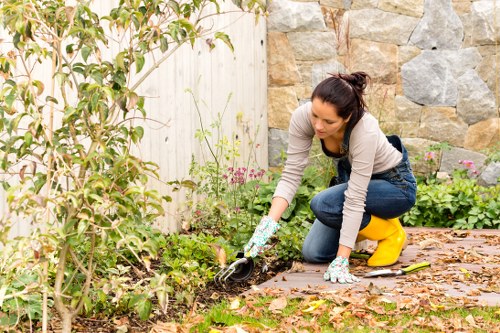
Borders and beds are often where a garden’s condition becomes most obvious. Weeding helps prevent unwanted growth from taking over around flowers, shrubs and edge lines, while gentle tidying keeps the intended planting visible. Maintenance in these areas may also include removing dead material, lifting debris and defining the edge where soil meets lawn, path or paving. Small details make a large difference to the overall impression.
Planting areas vary widely. Some are densely planted and need careful working around established roots, while others are open enough to allow more general clearance and tidying. A good maintenance plan respects that difference. It should protect the plants you want to keep while removing growth that competes for light, water and space. If the garden has been left for a while, the work may start with clearing back the most intrusive weeds before refining the rest of the area.
For customers comparing options, it helps to decide whether the aim is a one-off reset or regular upkeep. Border maintenance can be as light as seasonal weeding and edging, or as detailed as clearing, cutting back and restructuring the visible lines of the bed. A clear description of the planting areas will help us quote accurately.
Garden tidying and light clearance
Some gardens do not need a full clearance, but they do need enough work to make the space feel orderly again. Light clearance can include removing fallen material, gathering loose waste, cutting back soft overgrowth and dealing with the smaller jobs that block access or create a cluttered look. It is a practical middle ground between routine maintenance and more intensive one-off work.
This kind of work is especially useful when paths, corners and edges have been left to gather debris or when a previous maintenance cycle has been missed. The focus is on restoring a manageable baseline so the space becomes easier to look after. Where necessary, we can combine tidying with mowing, trimming or weeding so the result feels coherent rather than piecemeal. That way the garden looks cared for rather than simply stripped back.
When preparing a request, it helps to mention whether the garden contains bulky material, awkward access points or areas that need careful sorting rather than just cutting. If you want to move from overgrown to organised in a sensible way, the quotation should reflect the actual amount of work needed rather than a generic description.
Garden maintenance plans and visit frequency

Not every garden needs the same schedule. Some spaces benefit from frequent attention during the growing season, while others can be maintained effectively with less regular visits. A suitable plan depends on how quickly the garden grows, how much of it is in active use and how much time is available between visits. The advantage of planned maintenance is that it helps prevent major catch-up jobs later.
Frequency also affects the type of work included. A garden that is maintained regularly may only need mowing, edging and light weeding each time, whereas a garden left longer between visits may need a fuller session that includes cutback, clearing and additional detail work. Rather than assuming a set routine, it is usually better to match the plan to the actual conditions of the space. That makes the service more practical and the quotation more relevant.
If you already know whether you want one-off assistance or ongoing care, include that in your enquiry. A good brief helps us estimate the labour involved and shape the service around the parts of the garden that matter most. You can then ask for a quotation that reflects the work you really want carried out.
Practical preparation for a quotation
When you request a quotation for garden maintenance, it helps to be clear about the main tasks, the size of the area and any features that need special attention. Photographs can be useful if the garden is difficult to describe in words, especially where access is tight or parts of the space are hidden from view. A short note about lawns, hedges, borders and any problem areas is often enough to begin.
It also helps to mention if there are any straightforward restrictions such as delicate planting, pets, stepped access or sections that should not be disturbed. That does not mean the job is complicated; it simply makes the assessment more accurate. If you want the work priced as a one-off visit, regular maintenance or a combination of tasks, say so at the same time so the quotation matches the intended scope.
Before you enquire, it is worth deciding what outcome would make the garden feel properly maintained. Some customers want neatness across the whole space, while others want specific areas brought back under control. Once those priorities are clear, asking for a quotation becomes much simpler.
About Neasden
Neasden is an area in the London Borough of Brent, in north-west London, known for its mix of residential streets, local road links and places of worship, retail and community life. The name is also closely associated with Neasden station on the London Underground, which opened in the late nineteenth century and remains one of the area’s recognisable transport points. The district sits within the wider urban fabric of inner north-west London, where nineteenth- and twentieth-century development created a varied street pattern of terraces, estates and later infill housing. Nearby routes connect the area with Wembley, Willesden, Harlesden and Dollis Hill, while the Jubilee line gives it a direct line into central London and beyond.
What we cover beyond routine visits

Some gardens need more than standard mowing and trimming. Where shrubs have become heavy, borders have become difficult to access or planting has spread beyond its intended space, maintenance may include selective reduction and more careful cutting back. The goal is to keep the garden functional without removing the character that makes it distinctive. This is especially important where mature planting frames the garden or provides privacy.
We can also support gardens with mixed surfaces and features, such as lawns alongside paved edges, seating areas, narrow side returns or access paths. These spaces often benefit from a combination of tasks rather than a single pass. By grouping the work sensibly, the result is neater and more usable. If several parts of the garden need attention at once, a combined quotation can be a practical way to organise the job.
If you would like to discuss the work in Neasden, start with the main tasks and ask for a quotation today. A short message is enough to begin, and we can help shape the maintenance around the garden you have.
Keeping the garden manageable through the year
Garden maintenance is most effective when it keeps pace with growth rather than reacting to neglect. A regular approach helps protect the shape of the garden, keeps paths and borders readable and reduces the time needed to bring the space back under control. Even modest upkeep can make a clear difference if it is carried out consistently and in the right order.
That order matters. Mowing may come first, followed by edging, weeding, trimming and final tidying, or the sequence may change depending on what the garden needs most. For example, a border that has been overtaken by soft growth may need clearance before any finer work can begin. Thinking through the tasks in this way helps avoid wasted effort and makes the outcome more polished.
When you are ready, send the details and ask for a quotation. If the garden needs ongoing care, mention that too so the service can be planned with the right level of attention from the outset.